Leadership Challenges in Volunteer Organizations

Strong leaders are critical to the success of any organization- be it a non profit,  a corporation, a military unit,  a church or a bicycle club.   I believe that successful leaders can be developed and nurtured through mentoring, coaching and training but I have recently witnessed how unchecked power and bloated egos can corrupt leaders of volunteer groups.   Over the last 20 years, I’ve been a member and/or  officer in numerous nonprofit and corporate organizations and have seen a negative trend in leadership ethics.

Since college I have had the honor and privilege of serving under many inspirational officers, managers and executives who truly embodied the values of respect, humility and service.   These altruistic and motivational men and women were my role models and taught me the importance of recognition, encouragement, honesty and integrity.   They taught me to stay focused on the team member’s needs above my own.

In the past few years, I have become concerned by the increase in the frequency and negative impact that “corrupted” leaders are having on their organizations (this is across the board in society-  from the local nonprofit and school board to the state and federal governments).   There are more power-influenced leaders today and fewer selfless ones. There is more Me and less We and that’s not the way it should be!  Another disappointing theme I’ve observed recently is a misplaced focus where the officers of organizations are more concerned about their own power, titles and agendas with little priority or attention given to the actual members.

Leadershiparrow

I recently wrote a speech and created a presentation entitled “Leadership Challenges in Volunteer Organizations”  where I outlined issues, impediments and possible solutions to address membership growth and retention concerns in non profit groups like Toastmasters and the VFW.   I sadly will cite the destructive and non-collaborative behaviors of power trips, politics and petty personal attacks as key factors negatively impacting the morale and growth of many well meaning, non profit groups.

Solutions to these issues are often difficult to implement in a broad sense since they need to come from within the individual leaders however,  a positive organizational culture coupled with strong team agreements can go a long way toward improving a group’s leadership challenges.   An unwavering commitment to the organization’s  core Mission, without compromise, is also a critical to ensuring that ethical leaders are rewarded, encouraged and attracted.

Here are the Mission Statements of two organizations I am a member of:

“Provide a supportive and positive learning experience in which members are empowered to develop communication and leadership skills.”

 “ To serve our veterans, the military and our communities.  To advocate on behalf of all veterans.”


Notice that nowhere in the statements above does it mention the role, power or importance of the leaders or officers of the group.  They are solely focused on the members of the organization.  Losing sight of this simple fact is what I believe is causing many of the leadership issues we see in our volunteer organizations today.

Perhaps this message and blog can reach others and be shared in order to make a positive impact in our communities and non profit groups.  I hope so!

A Fresh Look at Retrospectives

It’s been a few months since I wrote the Agile Life series and I came across a new way to think about Sprint Retrospectives.

What if we asked these 3 questions at the end of every life sprint ( 2-4 weeks)?

1. What am I going to start doing?
2. What am I going to stop doing?
3. What am I going to continue doing?

Food for thought Grasshopper…..

20140507-145514.jpg

A Story to Tell: Changes, Connections and Mirror Neurons

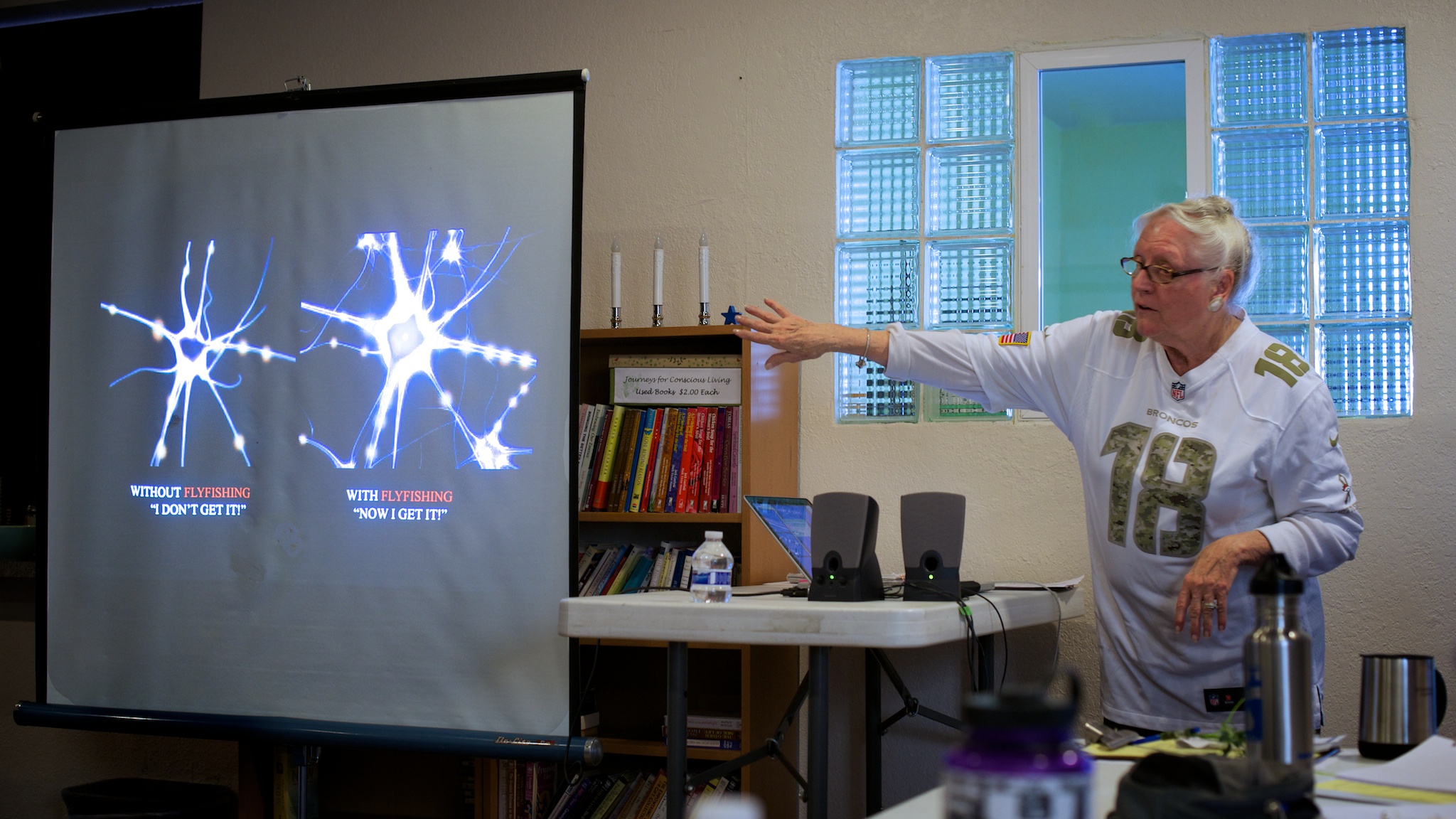
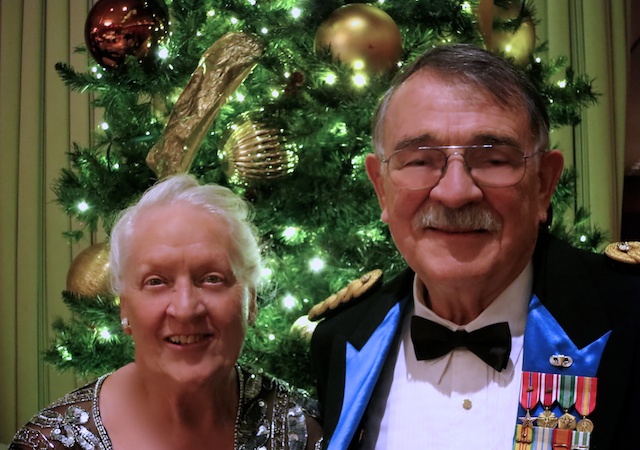
What inspires you to take action?  A Poet and a Colonel motivated my first blog of 2014. It all started when I attended a stimulating interactive  workshop last Saturday called STORY UP.  Sharon and Norm Frickey, who I share adventures with in Toastmasters and the Veterans of Foreign Wars (VFW), facilitated the session.  During the workshop, they delved into the intricacies of mirror neurons and expressed the importance of “Finding your story in the experience” and sharing it with others in order to bridge awareness gaps.   They explained how story telling increases connectedness with our fellow humans.

Sharon passionately moved me when she said, “A story told with purpose and an authentic voice can change the world”.   This writer’s workshop was a strong Call to Action and has prompted me to share my stories.  Could I possibly change the world?

Sharon reflects on mirror neurons

Sharon reflects on mirror neurons.
Photo by Steve Smull.

Last night I gave a speech entitled “Traditions and Changes- the Last Quarter of a Century “ at my newly joined Titan Toastmaster club.  During the speech I realized the power and importance of telling a story.  I connected with my audience on many levels when I shared my 25 year journey from college, to the Army, to War deployment, to the VFW and to Toastmasters.   I explained that there is an interesting dichotomy in mind because I am a traditionalist who embraces change and new technology and I am an agile technophile who often longs for many old fashioned traditions.

In my speech I had fun with props as I detailed the numerous technological changes over the last 10 years and how it has altered the way that we communicate with one another.   I displayed my cell phone, iPod, Kindle, and iPad and contrasted them with the tossed-aside printed newspaper, vinyl LP record, a cassette tape and paperback novel.  I shared that although I have adopted and use all the most recent technological devices to communicate, I still value and yearn for live, verbal communications with my friends, family and colleagues.  One of the reasons I love Toastmasters so much is because it provides a warm, friendly environment to speak with others in a supportive setting.  Live, real-time dialogue and interactions with honest to goodness humans who actually smile, nod and react to my words and actions.  Wow- what a concept. 

It was heart warming and refreshing for me to tell a story about traditions, changes and the value and importance of how we communicate with each other.    Could the connectedness I felt during this small speech begin to help bridge the recent polarization in our public discourse?   I hope so.

Storytelling is a uniquely human experience

Storytelling is a uniquely human experience

The ability to verbalize your thoughts and feelings into a 10 minute face to face presentation is so much more fulfilling and better understood by others than a 3 sentence Facebook post or a 140 character tweet certainly is!

So here’s to STORY UP and sharing our experiences live with our fellow humans.

Thanks to Norm and Sharon for inspiring me to reach new heights of authentic expression!  My story telling has just begun.

normsharonfounders2013 640x450

The Poet and the Colonel

Thankfulness: A US Veteran’s Perspective

Thankfulness:  Awareness and appreciation of a benefit.   Expressive of gratitude.

This year I am thankful for the love and support of my family and friends. I am also very appreciative for the freedom we have in the United States and feel that it should never be taken for granted.

As a US Army veteran who served in the Gulf War in Saudi Arabia and Iraq, I have seen first hand countries and governments that limit the freedoms and rights of a large percent of their populations.  I am proud and grateful to be US citizen with certain unalienable rights:  Life, Liberty and the Pursuit of Happiness.

I believe that we should be thankful for our active duty service men and women who are deployed in various conflicts around the world.  These brave Americans have volunteered to put their lives on the line to ensure that our country remains strong and free.  They are sacrificing their own personal freedoms and comforts so you don’t have to. When you thank a Veteran for their service please keep these thoughts in mind.

20131109-4826K-Veteran's Day Celebration-0953-WEB

Members of VFW Post 1 marching in the Veterans Day Parade in Denver. Nov 2013. Photo by Marla Keown.

This year I am thankful for a number of strong non-profit organizations that are tireless in their efforts to help veterans and their families in need.

This year the following organizations stand out as exemplary:

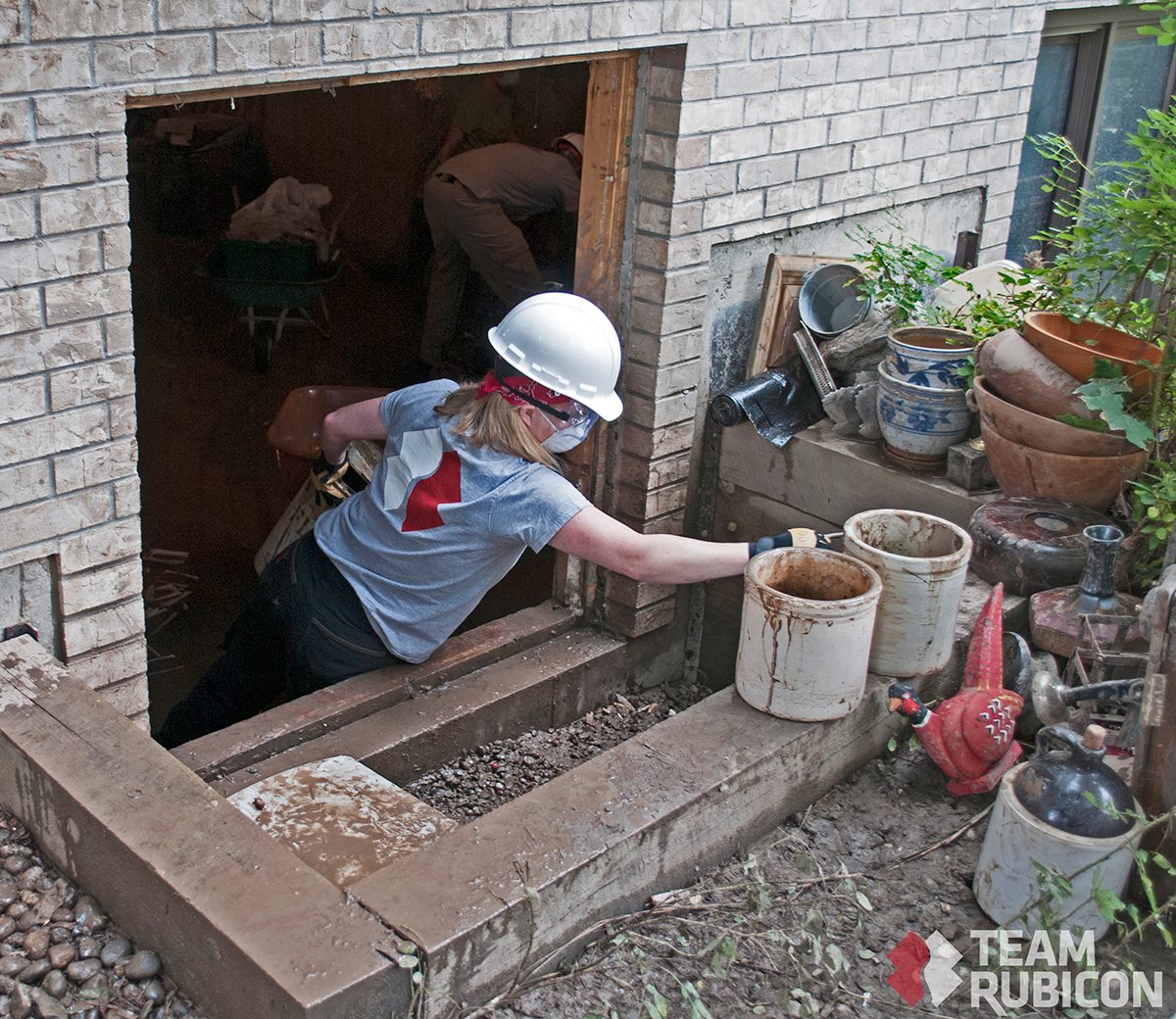
  1. Team Rubicon- Their mission is to unite the skills and experience of military veterans with first responders to rapidly deploy emergency response teams.   Many Colorado flood victims this year were assisted by this great team.  http://teamrubiconusa.org
  2.  VFW Post 1– The nation’s first and oldest Veterans of Foreign Wars Post has the youngest and most active membership.  This post in Denver, CO actively supports programs and partners who assist veterans and their families in the community.  www.vfwpost1.org
  3.  Fisher House Foundation– Best know for a network of comfort homes where military and veterans’ families can stay at no cost while a loved one is receiving treatment.  http://www.fisherhouse.org
Danarubicon

US Navy Veteran, Dana Niemela, working with Team Rubicon to help Colorado flood victims. Sep. 2013

  •  

An Agile Life- Part 3

To conclude my Agile Life series I’d like to expand on the last two concepts that are key to implementing your Agile life.  Again, one of Stephen Covey’s habits for highly effective people is incorporated in them and that is  “Sharpen the Saw”.

  1. Timeboxing (Sprinting)
  2. Backlog Creation
  3. Backlog Refinement
  4. Review and Retrospective

Item #3 is a productive and adaptive feature of the agile process and involves the continuous Refinement of your Life Backlog.  This is a time toward the end of every sprint when you look ahead to the next few sprints and plan what you are going to focus on and accomplish next.  It’s your time to relook the order of your items and move them up or down in priority based on your needs and desires.  It is also a time when you can add or remove items from your backlog based on changes in situation.

The final component of your Agile Life process is the Review and Retrospective.  This is done on the last day of every sprint and is an ongoing process. It is a review of what you accomplished.  What did you do well and what didn’t go well during the last 2-4 weeks of sprinting?  What were your results and achievements?  Did you complete all of the User Stories that you committed to in your sprint?  If not, do you want to add them to the next sprint?

MIRROR02_a

Other things to reflect on during your retrospective are your thoughts and feelings on the process and experience of Agile.   What did you like about it?   What did you hate?  What could you do better next time to be more efficient and effective?  What could you do differently in the next sprint so that you are more productive?  Specifically, you should strive to take action on one of improvement items from the Retrospective and immediately incorporate it in to your next sprint.

Agile’s continuous improvement (sharpening the saw) aspects are powerful.  The process facilitates SMART goal setting and the time boxing is key to increased levels commitment.  The frequent reviews and refinements helps you change course sooner rather than later.

close-up-of-a-jagged-and-sharp-saw-blade

Living an Agile life requires a bit more planning and discipline in your activities but the rewards will be great. If the process is a bit unproductive and awkward at first, don’t give up!  Most agile teams don’t find their rhythm for 3-5 sprints.   Give it a try for a few sprints and let me know how it goes.

An Agile Life- Part 2

How will living an Agile Life benefit you?   I hate to say it, but it depends.  It depends on how serious and committed you are to the process.  The Agile methodology does require discipline and daily/weekly focus and if you follow it, the rewards can be swift and significant.  Teams in professional work environments tend to become high performing and there’s no reason why you and I, on a personal level, can’t live life with increased levels of happiness and satisfaction.  We can have more sense of accomplishment, less stress and dare I say, more control over our destiny.

Both Dale Carnegie and Stephen Covey have agile principles incorporated in their best selling books,  “How to Stop Worrying and Start Living” and “The 7 Habits of Highly Effective People”.    Mr. Carnegie sought to reduce worry by living in “day tight” compartments and focusing on the “tasks at hand”. Mr. Covey’s first three habits are completely in line with Agile’s backlog creation and refinement processes:

  1. Be proactive
  2. Begin with the end in mind
  3. Put first things first

To live your life in an agile way, we need to understand and implement 4 key concepts:

  1. Timeboxing (Sprinting)
  2. Backlog Creation
  3. Backlog Refinement
  4. Retrospective (Review)

In Agile, a timebox (sprint) is a previously agreed to period of time during which a person or team works steadily towards completion of some goal(s).  The duration of this timebox can be set to whatever you want or agree to with your team but it should remain consistent from sprint to sprint.  Most Agile projects have sprint durations of 2, 3 or 4 weeks.

For our Agile Life sprints, I think a 2 or 4 week timebox could work well.  Pick an interval duration you feel comfortable with and go with it.  Since I like more frequent check ins and reviews, I’m personally planning to go with 2 week sprint cycles for my life.

sprint1

Now that we have our sprint time intervals figured out, let’s talk about the fun stuff -our Backlog, our wish list, our bucket list on steroids!

The first step is to write down all of the things you’d like to do in the next year.  These things can be goals, actions, achievements, travel plans, household tasks, personal improvement, professional development, financial results or healthy lifestyle changes.  Anything you want should be added to the list.   These backlog items (User Stories) should be broken down into small enough chunks so that they are “Sprintable” i.e. capable of being completed during the time interval you determined for your sprints (2- 4 weeks).  In addition, the completion of these items/actions should be in your control (or that of your team).  If your Stories can not be achieved in a sprint,  they need to be broken down into smaller chunks or phases.  For example, if one your backlog item’s objective is to lose 10 pounds in 6 months then you could create multiple User Stories which state “Lose 2 pounds”.

Once you have a good draft of your Backlog completed, you’ll need to order and prioritize the User Story items.  Which items are most important?  What things do you want to accomplish first?  Then you need to divide up the items into your sprints.  For Sprint 1, include the 2-5 items that you can realistically accomplish during the time interval set.  If the timing is off for a Story and it can’t be done yet, just move it down the list and you’ll get to it later.

The process of Backlog creation is fun, rewarding and sometimes eye opening.   Brainstorming ideas and sharing with your friends and family can also help to clarify your goals and desires.  Give this phase some time and effort and then next week I will conclude the Agile Life series with Part 3 and we’ll dive into the final two components of the process : Backlog Refinement and Retrospectives.


An Agile Life- Part 1

I am a Scrum Master.  It’s a cool title with interesting roles and responsibilities.  On the surface, I facilitate a team in an Agile software development project but lately I’ve found myself having to analyze and consider the psychological and personality profiles of the team (a topic for another blog post).  I am a servant-leader, coach and part time grade school teacher in a process that stresses the importance of communication and teamwork.

Image

Agile is a framework based on iterative and incremental development where requirements and solutions evolve through collaboration within a self-organizing team. It can help teams become high performing in a relatively short amount of time, assuming they follow the guidelines and principles of Agile  (the “hard and fast rules” as our Agile coach Henry tells us).  Henry is very wise and often reminds me of Obi-Wan Kenobi. I’m not sure yet if I am Luke Skywalker or Princess Leia… but I digress.

Our scrum team meets every day for a 15 minute Standup meeting and we work in two week long Sprints.  At our daily Standups we review the commitments we made to the tasks in our User Stories and state what we plan to do in during the next 24 hours.  During each Sprint we conduct a Backlog grooming meeting, a Demonstration of our completed work and a Retrospective review of how we did.

The Agile process and experience has been stimulating, fun and rewarding and it has recently got me to shift my way of thinking about things. I’ve started asking strange questions like  “What if we lived our lives in 2 week increments?”.

What if we had an Agile Life?

Image

Imagine what it would be like to create a Backlog of all the things you wanted or needed to do in your life including all of your wishes and desires.  Kind of like a Bucket list on steroids.

What if you reviewed, prioritized and ordered this list every 2 weeks?

What if you planned out which items on your list (User Stories) you wanted or needed to accomplish in the next 2 week time period (Sprint)?

What if you (and your team/partner/family) committed to completing these items by the end of the Sprint?

What if you sat down at the end of every Sprint and reviewed what you accomplished (Retrospective)? What went well?  What didn’t go well? What were the results?  What can you do better next time?

Imagine what it would be like to take one action item from the last Retrospective and apply it to your next sprint.    What would this Agile process do to the level of satisfaction in your life?

What if you were the Scrum Master of your life?

In An Agile Life- Part 2, I’ll dive deeper into some of the impacts, benefits and ramifications of living life in 2 week increments.

Whee, I Climbed a Tree!

Yesterday I made my annual trek to the mountains of Colorado to see the beautiful fall colors of the aspens.  In years past I have always ridden my mountain bike on the summit trails of Kenosha Pass, but this year Steve and I decided to take in the sights on foot, armed with two cameras and a monopod.  The weather was great at 10,000 feet with plenty of sun and 65 degrees.  The vistas and colors were as breathtaking as ever.  

Image

During our hike, I was energized by the sun and the view and trotted up the trail at a slightly faster speed than Steve (never mind the fact that his backpack and camera were almost double the weight of mine).  I was in a particularly adventurous mood and found myself scampering up and down the mountain to the right and left of the trail wanting  to see as much as I could of the trees, sky and foliage.  During one such detour I headed down a slight incline and saw the most striking and beautiful tree.  It was calling my name, begging me to climb it.  At that point, the mature adult side of me said “No, you can’t do that-  it’s dangerous.  What if a limb breaks?  You could fall to your death!”.  The boring adult in me noted that since I was already at a great height on this 10,200 ft pass, why would I possibly need to go any higher?   At which point, the Project Manager in me considered the risks, benefits and time involved and reminded me that it had been 36 years since I’ve climbed a tree.   Luckily my Inner Monkey took over and led me quickly to the base of this fine timber specimen.  Oh what a treat I was in for!

With my lens cap securely in place and my camera swung around to my back, I jumped up to the first branch without much problem and then with a bit of slower and more thoughtful maneuvering,  I made my way to the prime location for optimal viewing and reflection.  I don’t know why it felt so good or caused such great inspiration for me to share this story with you but it did!  I had a sense of happiness, freedom and joy that I don’t often experience in my day to day job.   I followed my childlike desires and enjoyed every minute of it.


Image

Me in tree.


So what is the point of my Tree Glee blog?

  • Don’t be afraid to scamper off the set path – you may find other treasures you didn’t count on.
  • Don’t limit how high you should go.  Greater views and experiences are just a few branches away.
  • Listen to your Inner Monkey every once in a while- it can make for a great thrill and oftentimes, a fun story!


Image