Hedgehogs, Play-Doh and Crayons: A Return to Adult Creativity

There’s been a plethora of articles on the rising popularity of adult coloring books lately and this particular one caught my attention and inspired me to expand on the idea and share with you my recent adventures in the world of coloring, art and sculpting with a hedgehog named Ernie.
FullSizeRender 2

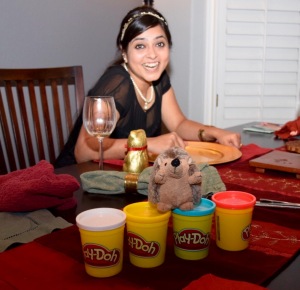
The answer to the question posed in the article referenced above was simple for me since it is what prompted me to add color to Mandalas back in 2006. Why are jaded adults buying stacks of coloring books? For me and many of my friends, it is for Insight, Healing and Self-Expression. Coloring is calming and peaceful and when small, furry friends like Ernie are included, it is just plain fun!

How else can we explain that last month, 8 of the 20 top selling books on Amazon were  coloring books designed for adults?  Here’s an interesting WSJ article that further explores these trends.
12003896_10154208005687782_4652538642022034018_n (2)

This new phenomena is also helping to connect us in a real, live and tangible way. Public libraries are offering spaces to host adult coloring with sessions titled “Stress Relief through Doodling” and a wellness coach in San Diego hosts “Color Yourself Calm” sessions in her home (active cell phones not allowed).

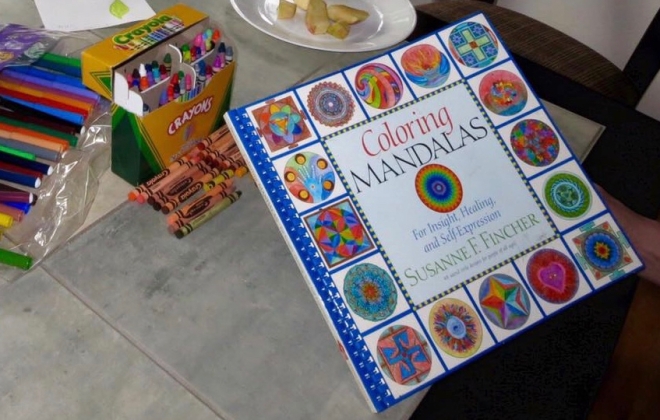
Wow, little did I know that 10 years ago when I invited some girlfriends over for a bottle of wine, a box of Crayolas and a Mandala coloring book, we would be the vanguard of the modern healing-through-art (and wine) movement.

As our collective blood pressure and cortisol levels have climbed and impacted our health and well being, escape from the stress of our frantic, always-on world of social media is alluring. These activities give us permission to concentrate and focus on something for more than a minute- without constant digital interruptions. Art and creative expressions allows a different part of our brain to be stimulated and exercised and for me, it calms like a cool cloth on itchy eyes. Coloring fosters creativity, new ideas and insights that posting on Facebook or reading Tweets just doesn’t do.
IMG_1262

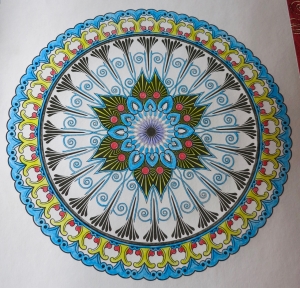
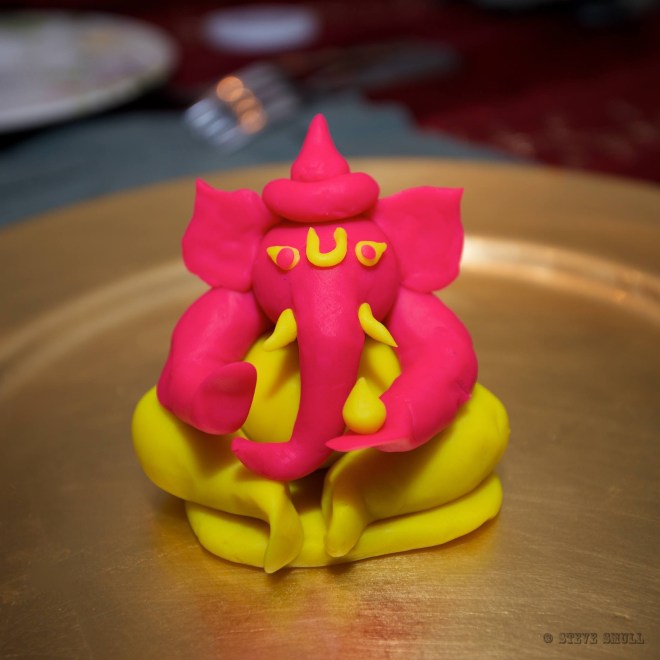
On a more pure and simple level, these activities tap into childhood joy and give us pleasure. For many, just the smell of Play-Doh brings forth vivid memories of happy and youthful creations. I smile when I swish it through my fingers!
IMG_2367

Another positive outcome of painting, coloring and sculpting is the ability to produce some more tangible and lasting- something more than 1s and 0s of the digital world. Something you can touch with your skin and see without the need for an electronic glass screen or display. A lasting object you can send in the mail (via the Postal service) as a gift to a friend or family member. Our art is something we can proudly post on the refrigerator at home or in your cubical at work. It gives us a sense of accomplishment, finishing something that will last and is comforting in our age of fleeting Snapchat images and endless streams of 140 character Twitter posts.

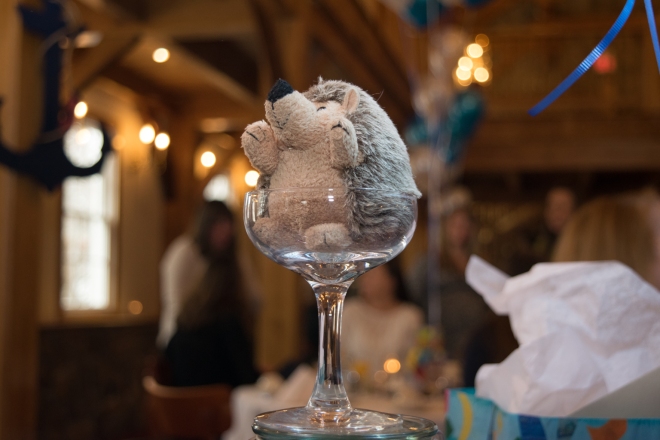
So, why is Ernie the hedgehog so popular? For many of the same reasons as the popularity of the adult coloring, he makes people smiles and encourages child-like creativity, happiness and joy. Plus he is a great model in my photos!

So foster your creativity with a child-like zeal and enjoy the happy and calming effects.  Added bonus:  you just might make yourself and others break out in a hug smile- just like Ernie does.

Cheers!
Ernieinaglass


Rebooting My Agile Life

In October 2013, I wrote the following in Part 1 of my blog’s “An Agile Life” series:

“What if we lived our lives in 2 week increments?

Imagine what it would be like to create a Backlog of all the things you wanted or needed to do in your life including all of your wishes and desires. Kind of like a Bucket list on steroids.

What if you reviewed, prioritized and ordered this list every 2 weeks?

What if you planned out which items on your list (User Stories) you wanted or needed to accomplish in the next 2 week time period (Sprint)?

What if you (and your team/partner/family) committed to completing these items by the end of the Sprint? “

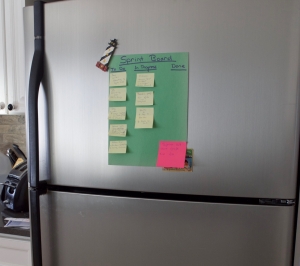
Well, 2+ years later and after a serious New Years Day Retrospective, it is time for a major reboot in my life sprints. Time to create my Backlog again, prioritize my User Stories and work on them in shorter iterations.

Time to post my sprint board on the refrigerator!

DSC_1963

Here we go, Day 1 of Sprint 16.01, I’ll let you know how my Retrospective went in early February!

Here’s how you can get started on your Agile Life:

Step 1: Grab some sticky notes and markers and start writing out the items you wish to work on/ accomplish (one per note).

Step 2: Create your sprint board with a sheet of page. Make 3 columns: To Do, In Progress and Done.

Step 3: Determine your sprint duration ( 1, 2, 3 or 4 weeks)

Step 4: Place your items ( user stories on sticky notes) on your sprint board.

Step 5: Review your user story status and track progress each day until the end of the sprint.

Step 6: Conduct a Retrospective on the last day of the sprint.

Step 7: Update your sprint board during for the next sprint’s planning session.

Step 8: Repeat steps 4- 6.

Good luck and may the force be with you!

agile


Walking with Service Legs

I have always been fascinated with leg tattoos. When I saw the word Selfless” on the calf of a fellow veteran, I had to inquire. What did it mean? Ronie, a contract employee at Project Sanctuary, then proudly showed me his other leg which read Service”.   Wow, this takes “walking the walk” to a whole new level!

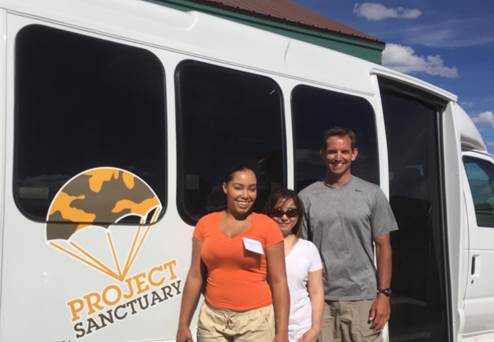
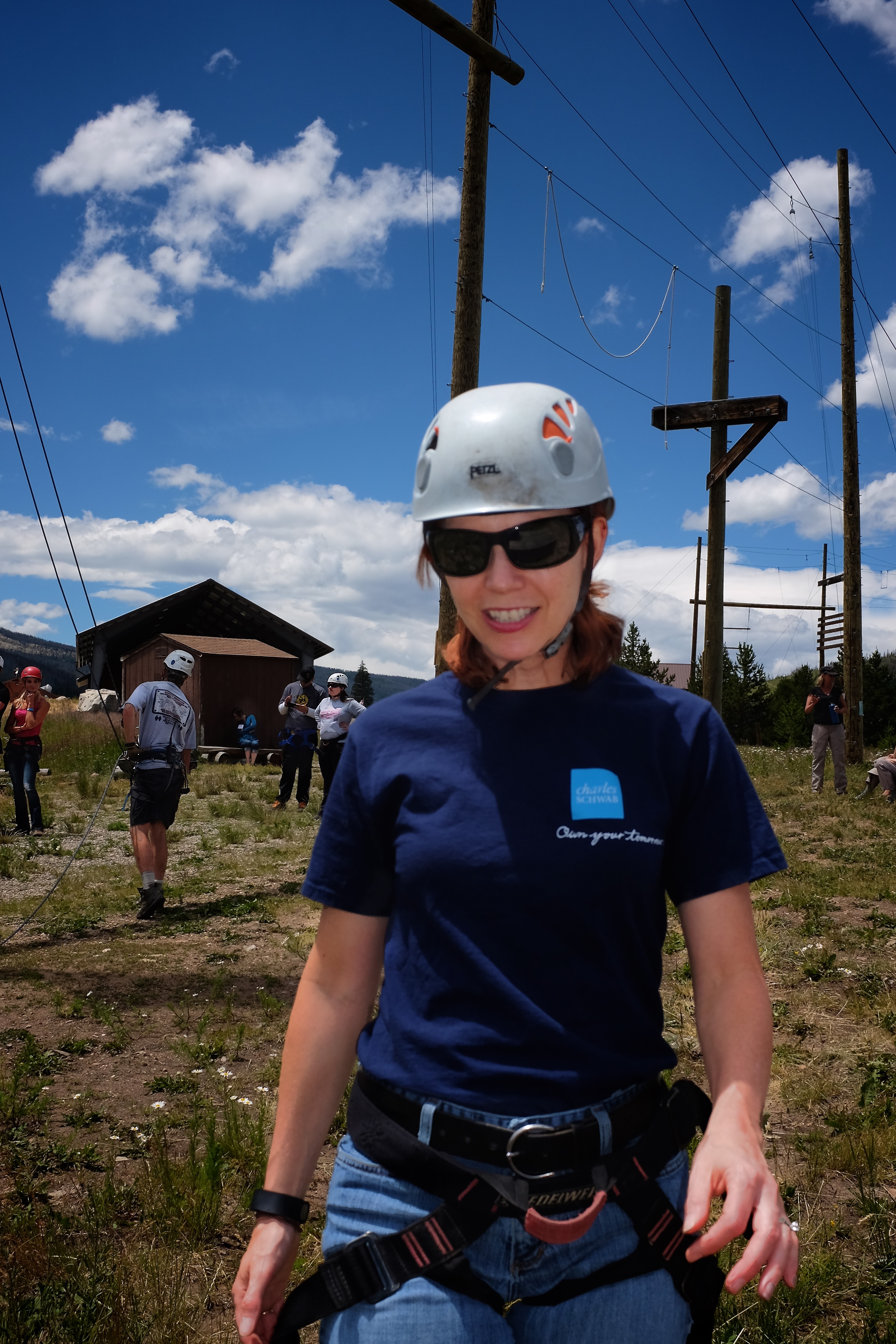
Selfless Service– that’s what volunteering is all about and my brief exchange with Ronie hit this home for me when he explained that his service to veterans and their families at retreats with Project Sanctuary is just a natural extension of his duty when he served in the US Army. ProjectSanct_Sign2 This past weekend I was happy to serve others as a volunteer at a powerful retreat which helps military families reconnect. Project Sanctuary is a special organization with a spirited and dedicated staff and hundreds of volunteers.

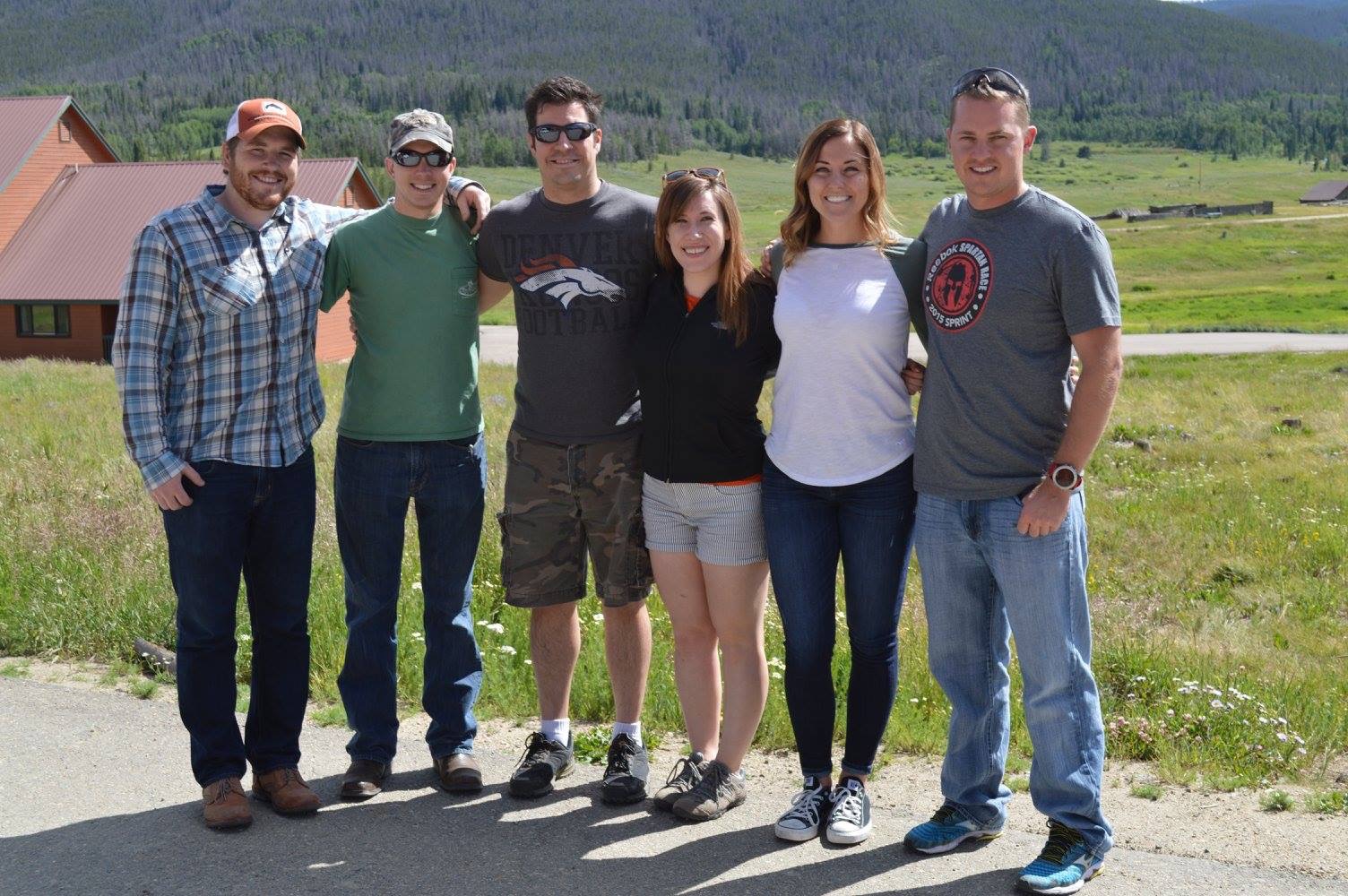
I put on my Platoon Leader/Project Manager hat for this event and coordinated the attendance of nine coworkers who assisted over the six day retreat at the YMCA Snow Mountain in Granby, CO.   Most of us are part of a Denver Military Veterans Network group at work and are focusing our efforts on increasing awareness of veteran issues and being of service to others.  Selfless service without the leg tattoos.

ProjectSanctuarySchwabteam

My coworkers who volunteered at the retreat

ProjectSanctuaryJeffScott

The volunteer experience was positive and uplifting and provided us with greater insight and appreciate for the “invisible” wounds that many returning veterans suffer with PTS ( Post Traumatic Stress) and TBI ( Traumatic Brain Injury).

ZiplineBrenda2015

Witnessing the power of peer mentoring, counseling and plain old fun and games in the healing of strained relationships and broken family connections was most impressive.   A large majority of the staff and volunteers at Project Sanctuary are prior service/military members which reinforces Ronie’s idea of continued Selfless Service.  He and many others like him are Walking the Walk with Service Legs.

The need is great for the programs and benefits that Project Sanctuary provides and there are more than 1,800 families on the waiting list to attend a Retreat. In 2014, 19 retreats were held and 164 new families were served.  This year 21 retreats are scheduled at no cost to the veterans and their families.

So let’s step up and help support more military members and their families heal and reconnect with this innovative and powerful program.

To make a donation to Project Sanctuary click here.   LegTatoo_Freedom

Robo Koko: Confessions of a Dashboard Junkie

I must confess, I’ve become a dashboard junkie!

In the last six months, multiple aspects of my life have been tracked and monitored by an automated, “robo” tool.  From fitness workouts and calories burned to sleep and step activity to financial investing, I have gadgets aplenty tracking a plethora of performance and personal progress statistics.

Last month I joined Koko FitClub, a digital gym and have been religiously wearing my Fitbit to capture my steps, stairs climbed, and sleep activity.  The Koko experience has been positive and it seems I’m becoming addicted to the online dashboards.  I enjoy the SmartTraining aspect of having my workout plans preloaded in a thumb drive and the visual display of each exercise and rep count on the floating screen in front of me.  After each workout, I run home to check out the website to review my numbers and progress.  I’m like a little kid who wants to see the grades on her report card at school.

kokofitlogo

One meaning for the word koko in Japanese is “individually” and that is what this type of fitness program gives you-  help and guidance from an intelligent machine with minimal human interaction.

I’ve watched this trend toward more personalized and internally focused electronics, apps and interfaces over the past fifteen years starting with iTunes, the iPod and the iPhone and moving on to Google Glass, the iPad, the Fitbit and now the Apple Watch.  It seems that more and more we humans want our experiences with the world to be custom tailored to our exact needs and desires.

Here are some of the reasons why I like robo and koko-like tracking and interfaces:

    1. Awareness and Accountability- both are increased.
    2. Motivation.  I respond well to the visual achievement of goals.
    3. Charts and graphs excite me.
    4. Encouragement and recognition on meeting objectives. Fitbit is very good at this.

fitbit


The Economist magazine recently published an interesting article entitled “Ask the Algorithm”  which highlighted the recent trends in automated wealth management tools and the rise of the “robo-advisers”.  There a donut charts aplenty on the dashboards of these new applications.

SIPdonut

Asset Allocation Dashboard

So welcome to the machine ( one of my favorite Pink Floyd songs) and kick back and enjoy the lovely and colorful dashboards!


The Power of the Poppy

I’ve known for a long time that the power of the poppy was strong and now, based on the events of the past 3 months, I feel that the significance and impact of the fragile, red flower is immense.

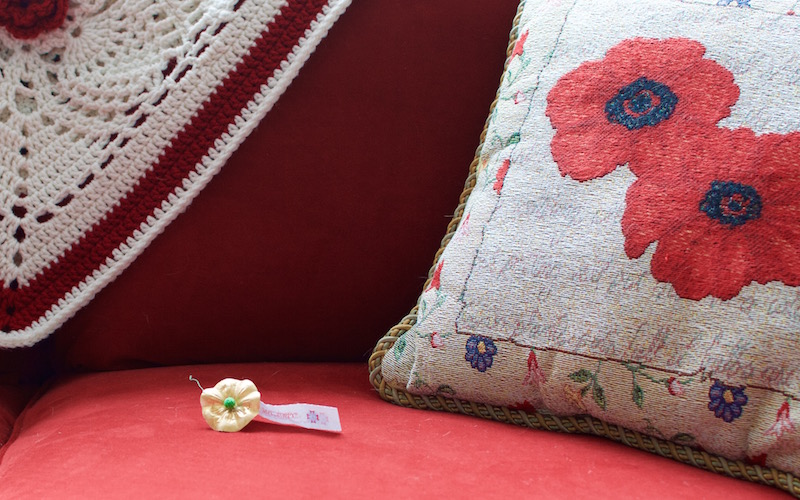
One hundred years ago today, 3 May 1915, the “In Flanders Fields” poem was inspired and is an enduring and powerful symbol of the sacrifices made on the battlefield.SmallPoppypillow

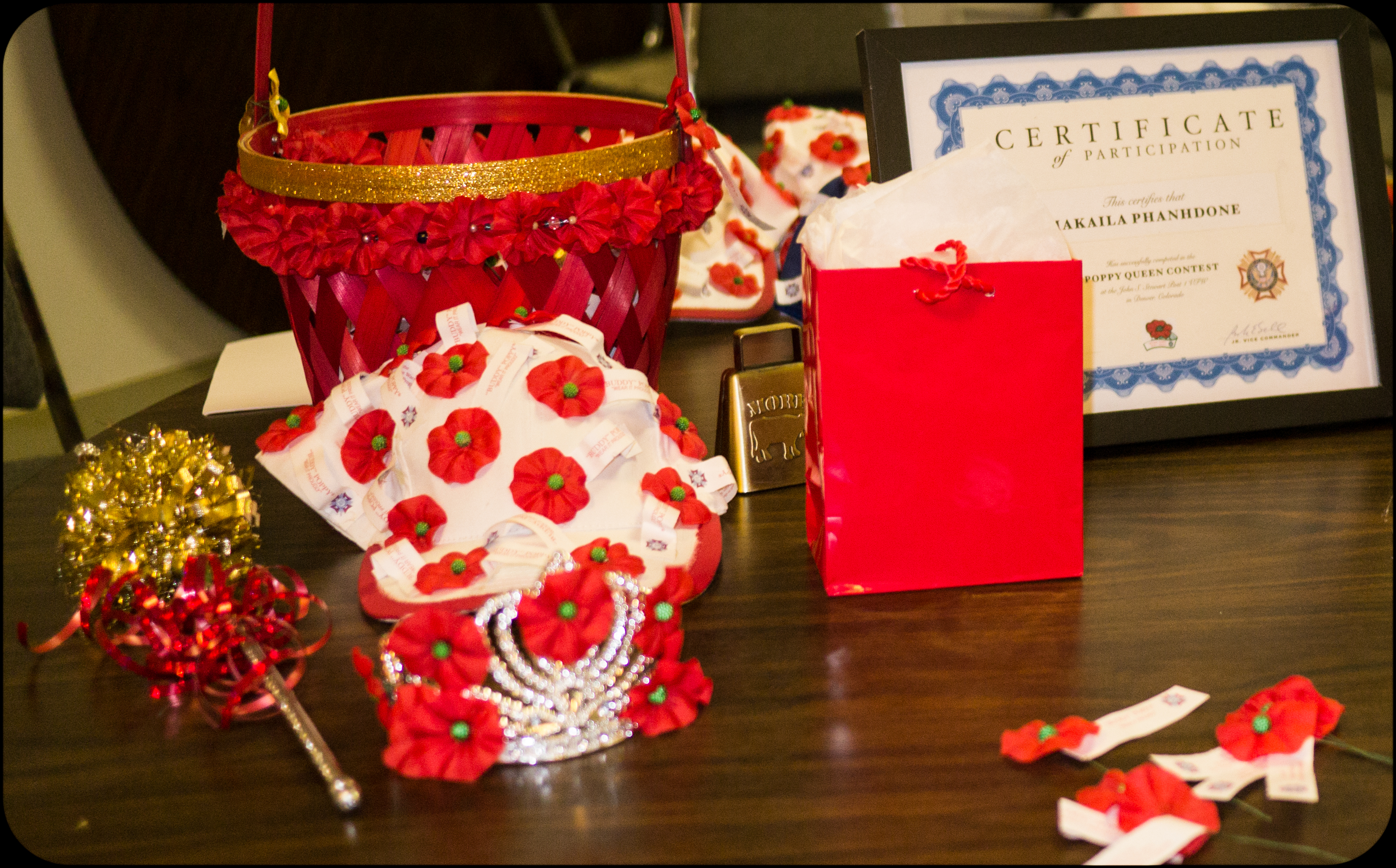
In the coming days, I will share with you the story of a former Poppy Queen who paid tribute to her veteran Father and now wishes to honor and remember another Veteran and Father who recently passed away, but not before he proudly watched his daughter be crowned the Poppy Queen of VFW Post 1.

Now I take up the torch and hold it high for all to see so that those who fought so valiantly are not forgotten.

Poppytable2014v2

In Flanders Fields 

by Lieutenant Colonel John McCrae, May 1915

In Flanders fields the poppies blow
Between the crosses, row on row,
That mark our place; and in the sky
The larks, still bravely singing, fly
Scarce heard amid the guns below.

We are the Dead. Short days ago
We lived, felt dawn, saw sunset glow,
Loved and were loved, and now we lie
In Flanders fields.

Take up our quarrel with the foe:
To you from failing hands we throw
The torch; be yours to hold it high.
If ye break faith with us who die
We shall not sleep, though poppies grow
In Flanders fields.

Confessions of a Scrum Master, Part 3: User Story Happiness & Success

As a user story, I want the respect I deserve so that I don’t develop an inferiority complex.

Oh the user story! You either love it or you hate it. You understand it or you are totally perplexed and frustrated by it. The must fundamental and core element of the Agile process is often misunderstood, under appreciated and misused.

The User Story, child of the Epic and parent to the Task, occasionally suffers from an identity crisis. Last month I happened upon a sad and lonely 8-point story who had only one 0.5 hour task linked to it. It confided in me that it was really a Task masquerading as a User Story but it was too ashamed to tell anyone.

The role and purpose of the user story can sometimes be misunderstood to the point of causing heated conversations and disagreements among Product Owners, Business Analysts and Scrum team members who are new to the Agile process. Here the Scrum Master’s coaching and facilitation of the Agile process is critical to the success and happiness of the team (and the user story).

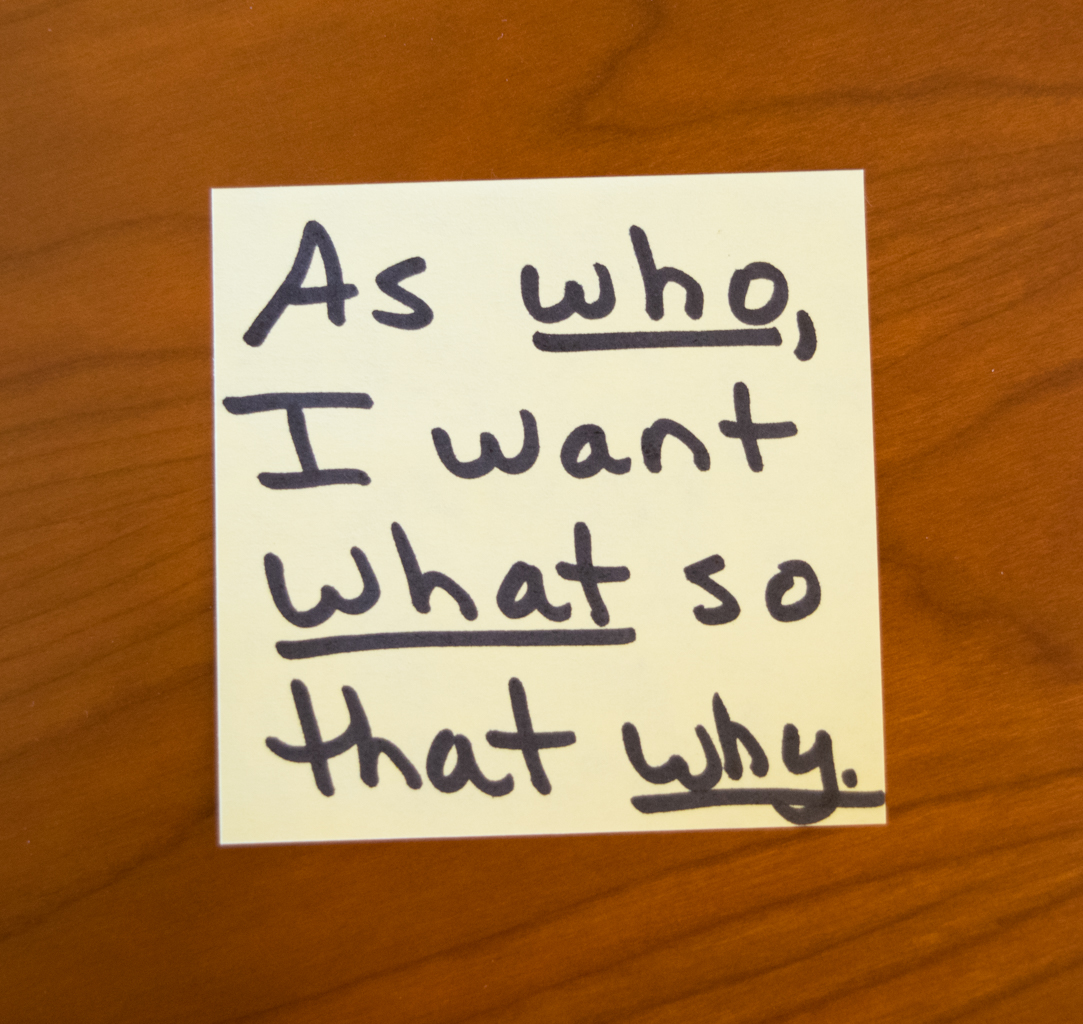
As a user story, I want to define an incremental unit of work in the “who, what and why” format so that the scrum team can efficiently deliver the requirements by the end of the sprint.

whowhatwhy_userstory


As a user story, I want to represent a small piece of business value so that the Product Owner can see the iterative development of the work.

As a user story, I want to describe high-level requirements in such a way that  it sparks conversations among the scrum team members.

As a user story, I want to have detailed acceptance criteria so that the team knows the definition of done and exactly what is expected at the end of the sprint.

As a user story, I want to be groomed and refined on a regular basis so that I will be properly understood, stack ranked and sized by the scrum team.

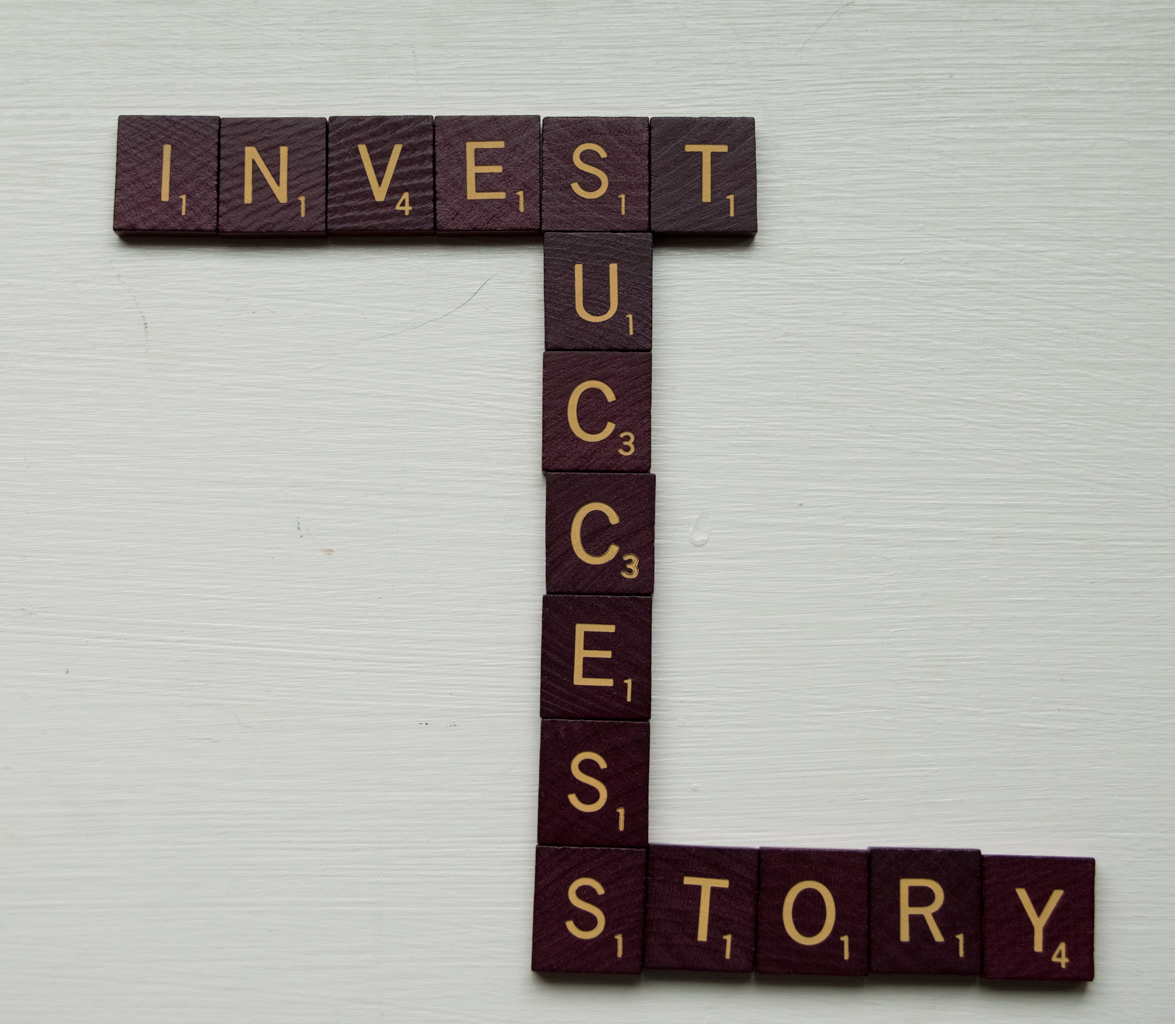
As a user story, I want to meet the criteria of Bill Wake’s INVEST acronym so that I can be well formed and have high self-esteem.

INVESTuserstory2

Acceptance Criteria of this INVEST story:

  • Independent
  • Negotiable
  • Valuable
  • Estimable
  • Scalable (small sized)
  • Testable


As the author of this blog,  I want to share my thoughts and insights about user stories so that you learn in a fun and memorable way!

Confessions of a Scrum Master, Part 2: The Requirements Challenge

Alternate title:  Oh the joys of documenting requirements on a new Agile project!

Many organizations struggle with adopting Agile since it requires such a fundamental and overarching shift in business process.  Often times the biggest challenge with the new process is how to gather and document Requirements.   I’ve observed that a piece meal approach to implementing Agile is not as effective since the performance benefits are not fully realized unless all Scrum team members and stakeholders are on board. So how do we get everyone on board?

First, it can be helpful for Scrum Masters to recognize that the Agile manifesto value of “Working Software over Comprehensive Document” is a struggle for many Project Management Offices ( PMO) and Business Analysts (BA). Organizations and firms which are heavily regulated have strict requirements on detailed project artifacts in order to pass audits and the PMOs and BAs are oftentimes the creators and/or keepers of these documents. In short, it’s a balancing act to the find the appropriate and agreed to level of documentation that meets everyone’s needs. These discussions and agreements can take place during Sprint 0 and reviewed in the Release Planning meeting.

UnicycleSDBC2004


Waterfall/RUP documentation habits die hard with some seasoned BAs. The urge to analyze, research and detail out full use cases and system requirements prior to the start of sprinting can be strong for those who are new to iterative development and User Stories.   The Scrum Master’s coaching and guidance on the Agile best practices for User Story creation and refinement are critical to keeping the project moving along and not getting bogged down in analysis paralysis.

And then is there is the battle of what tools to use to document and where to store the project and requirement artifacts. Boy can opinions and passions run hot in this area!   Whether you use TFS, Rally, Jira, VersionOne, PivotalTracker or any other application for tracking your User Stories, sprint tasks and velocity, your Scrum team and the Project stakeholders need to understand and come to an agreement that certain Requirement Documents of Record can should be stored, tracked and linked to in other repositories like Sharepoint or Blueprint.   Traceability is a key concern for many organizations and should be addressed in your Team Agreements and processes.

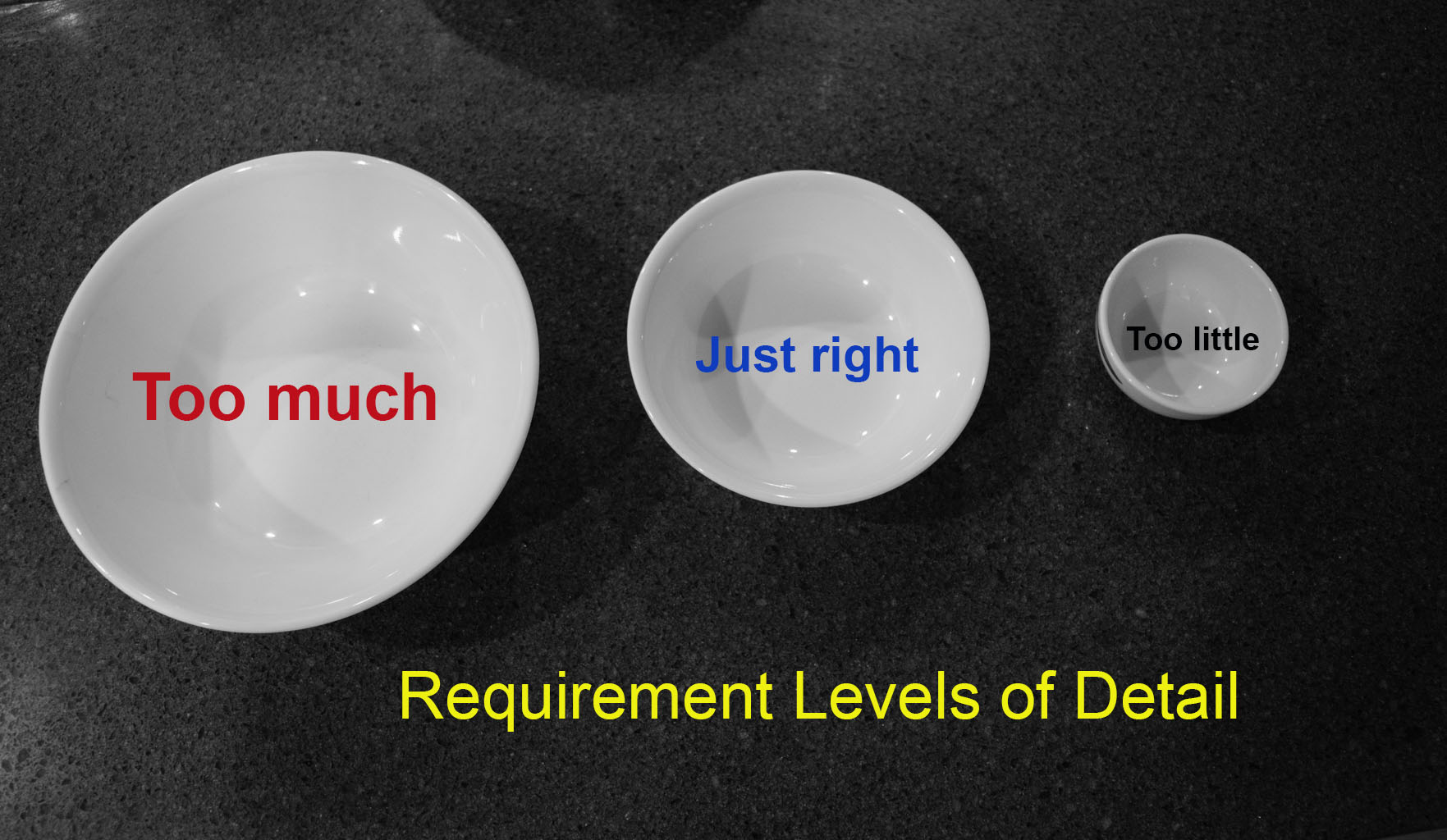
The Goldilocks Dilemma

How much detail do we need to put in a User Story? This is another deeply philosophical question and everyone seems to have a different opinion on it.

How much is too much? How much is too little?   What level of information and detail is just right?


3bowlsv3

As Scrum Masters, our role is to strike the right balance with the Product Owners, BAs and PMs so that the needs of the organization are met without sacrificing the benefits of the iterative design and development. This is certainly easier said than done but know that you are not alone in this challenge.

It helps to explain that details on the requirements will be uncovered and documented in a more collaborative manner with ongoing conversions and meetings with the entire team. Requirements will not be created in a vacuum and will be refined /groomed/ sized by the scrum team.

It occurs to me that this topic is important and meaty enough to deserve its own article, so I’ll dive into the details of User Story Creation in Part 3 of my “Confessions of a Scrum Master” series next week.

The behavioral changes involved in adopting the Agile can be uncomfortable and difficult for many people and teams. Documenting requirements in Agile often requires a significant shift in process and the Scrum Master’s coaching and facilitation role is critical to helping the team to learn and understand the value and benefits of iterative development while allaying their fears and concerns about the “new and different” way.